Postagem em destaque

BRAVE NEW WORLD / ADMIRÁVEL MUNDO NOVO / UN MUNDO FELIZ (Part 2 of 2)

THE MIKE WALLACE INTERVIEW - GUEST: ALDOUS HUXLEY - 05/18/1958. ENTREVISTA DE MIKE WALLACE -  CONVIDADO: ALDOUS HUXLEY - 18/05/1958....

Mostrando postagens com marcador MEDICINA. Mostrar todas as postagens

01 maio 2026

NIKOLA TESLA

Minhas Invenções é a autobiografia oficial de Nikola Tesla, publicada originalmente em 1919 como uma série de seis artigos na revista Electrical Experimenter. Escrito quando Tesla tinha 63 anos, o livro oferece uma visão íntima não apenas de suas descobertas técnicas, mas de seu peculiar processo criativo e de sua vida pessoal, desde a infância na Croácia até sua carreira nos Estados Unidos.


Minhas invenções: A autobiografia de Nikola Tesla.


Destaques da Obra

Processo Criativo: Tesla descreve como conseguia projetar, operar e modificar máquinas inteiras apenas em sua mente, sem a necessidade de desenhos ou anotações físicas imediatas.

Experiências de Vida: O livro inclui anedotas sobre seus encontros com figuras famosas (como Thomas Edison e George Westinghouse), seus episódios de quase morte e suas excentricidades, como a memória fotográfica e visões intensas.

Visão de Futuro: O autor compartilha reflexões filosóficas sobre o progresso humano e o papel da tecnologia na evolução da sociedade. 


*   *   *

09 abril 2026

NERVO VAGO - Como ativá-lo

Nervo Vago 

Também conhecido como o 10º par de nervos cranianos, é a peça central da nossa saúde física e mental. O nome "vago" vem do latim vagus (vagante/errante), porque ele é o nervo mais longo do corpo, "passeando" do cérebro até o abdômen.


Aqui está uma explicação sobre sua estrutura e como você pode assumir o seu controle:

1.1 Explicação Detalhada: A "Supervia" do Corpo

O nervo vago é o principal componente do Sistema Nervoso Parassimpático. Imagine-o como um cabo de fibra óptica bidirecional:
  • 80% das fibras são Sensoriais (Aferentes): Elas enviam informações do corpo (coração, pulmões, intestinos) para o cérebro. Ou seja, o seu cérebro "sente" o estado dos seus órgãos através dele.
  • 20% das fibras são Motoras (Eferentes): Elas levam ordens do cérebro para os órgãos, comandando o relaxamento, a digestão e a redução da frequência cardíaca.
Ele conecta o tronco encefálico a quase todos os órgãos viscerais:
  • Faringe e Laringe: Controla a deglutição e a fala.
  • Coração: Atua como um "marcapasso natural", reduzindo os batimentos.
  • Pulmões: Regula a taxa de respiração.
  • Estômago e Intestinos: Ativa as enzimas digestivas e o movimento intestinal (peristaltismo).
O Tônus Vagal: Assim como os músculos, o nervo vago tem um "tônus". Um alto tônus vagal significa que seu corpo consegue relaxar rapidamente após um estresse. Um baixo tônus está ligado à ansiedade, inflamação e problemas digestivos.

2. Como Ativar o Nervo Vago (Biohackings Práticos)

Ativar o nervo vago significa aumentar o sinal parassimpático para "frear" o sistema de luta ou fuga.

A. Respiração "Pura" (O Método 4-7-8)

A forma mais rápida de acessar o nervo vago é pelos pulmões.
  1. Inspire pelo nariz por 4 segundos.
  2. Segure o ar por 7 segundos.
  3. Expire pela boca (fazendo um som de sopro) por 8 segundos.
  • Por que funciona? A expiração longa estimula os barorreceptores que sinalizam ao nervo vago para desacelerar o coração imediatamente.

B. Estímulo Vocal e Laríngeo

O nervo vago passa pelas cordas vocais. Vibrações nessa área o ativam mecanicamente:
  • Gargarejo: Faça gargarejos vigorosos com água pela manhã.
  • Humming (Cantarolar): Emitir o som "Mmmmmm" sentindo a vibração no rosto e garganta.
  • Cantar: Cantar alto ativa o sistema parassimpático de forma lúdica.

C. Choque Térmico (Reflexo de Mergulho)

  • Mergulhe o rosto em uma bacia com água gelada por 15 a 30 segundos ou tome um banho frio. O corpo ativa o "reflexo de mergulho", uma resposta vagal imediata que reduz os batimentos cardíacos para conservar oxigênio.

D. Manobra de Valsalva Suave

  • Expire com a boca fechada e o nariz tapado, criando uma leve pressão interna (como se estivesse tentando desentupir o ouvido). Isso estimula os nervos no tórax.

E. Massagem do Seio Carotídeo

  • Massageie suavemente a lateral do pescoço, logo abaixo do ângulo da mandíbula. Atenção: Deve ser feito de forma leve e apenas de um lado por vez, pois reduz a pressão arterial rapidamente.

F. Ingestão de Probióticos

  • Existe o "eixo intestino-cérebro". O nervo vago monitora as bactérias intestinais. Manter o intestino saudável (com fibras e alimentos fermentados) melhora o sinal enviado ao cérebro.

Nervo vago e os órgãos internos.


*   *   *

03 abril 2026

CRUCIFICAÇÃO do ponto de vista médico

A crucificação descrita por um cirurgião refere-se principalmente à obra clássica do Dr. Pierre Barbet (1884–1961), um cirurgião-chefe francês em Paris que dedicou anos ao estudo médico e anatômico do suplício de Jesus. Seu livro, intitulado "A Crucificação de Cristo Descrita por um Cirurgião", analisa o evento sob uma perspectiva científica, baseada em experimentos com cadáveres e evidências históricas.


Principais Conclusões Médicas de Barbet

* Local dos Pregos (Punhos, não Palmas): Barbet demonstrou que os cravos não poderiam ter sido fixados nas palmas das mãos, pois o tecido não suportaria o peso do corpo. Segundo ele, os pregos foram cravados no Espaço de Destot (no punho), o que causaria a retração do polegar devido à lesão do nervo mediano.

* Causa da Morte (Asfixia): O cirurgião descreve que o crucificado morria por asfixia progressiva. Para respirar, a vítima precisava se erguer apoiando-se nos pés pregados; quando o cansaço vencia, o corpo pendia, comprimindo o tórax e impedindo a exalação.

* O Golpe de Lança: A saída de "sangue e água" relatada na Bíblia é explicada como a perfuração do pericárdio ou da pleura, onde fluidos acumulados devido ao choque e à agonia teriam jorrado após a morte.

* Sofrimento Físico Antecedente: O estudo também detalha o impacto fisiológico do açoitamento romano (que causava perda massiva de sangue e choque hipovolêmico) e da coroação de espinhos.


*   *   *

07 junho 2025

PHOTON (2017) SCIENCE MOVIE - Documentary

Photon 2017


Egypt, France, Italy, Poland, United States.


PHOTON poster.


"Photon" is a Polish science documentary and animation film that explores the history of the universe from the Big Bang to the present day, culminating in a glimpse into a post-human future. It examines the origins of matter, the development of life, and the potential future of humanity, often referencing the work of theoretical physicist David Deutsch. The film combines documentary, fictional, and animated sequences to deliver its message. 


CLICK HERE TO WATCH PHOTON.


Here's a more detailed breakdown:


  • The Big Bang to Now: The film begins with the formation of matter and the origins of life, using visual explanations and analogies to make complex scientific concepts accessible.
  • Humanity and Technology: It delves into the biological basis of human behavior and raises questions about free will, drawing on scientific research and everyday examples.
  • The Future of Humanity: The film speculates on the future of the human race, envisioning a closer intertwining of humans and technology, and the eventual fate of civilization and the universe.
  • Visuals and Style: "Photon" employs visually striking and often abstract imagery to convey its scientific message, combining documentary footage with animated sequences.


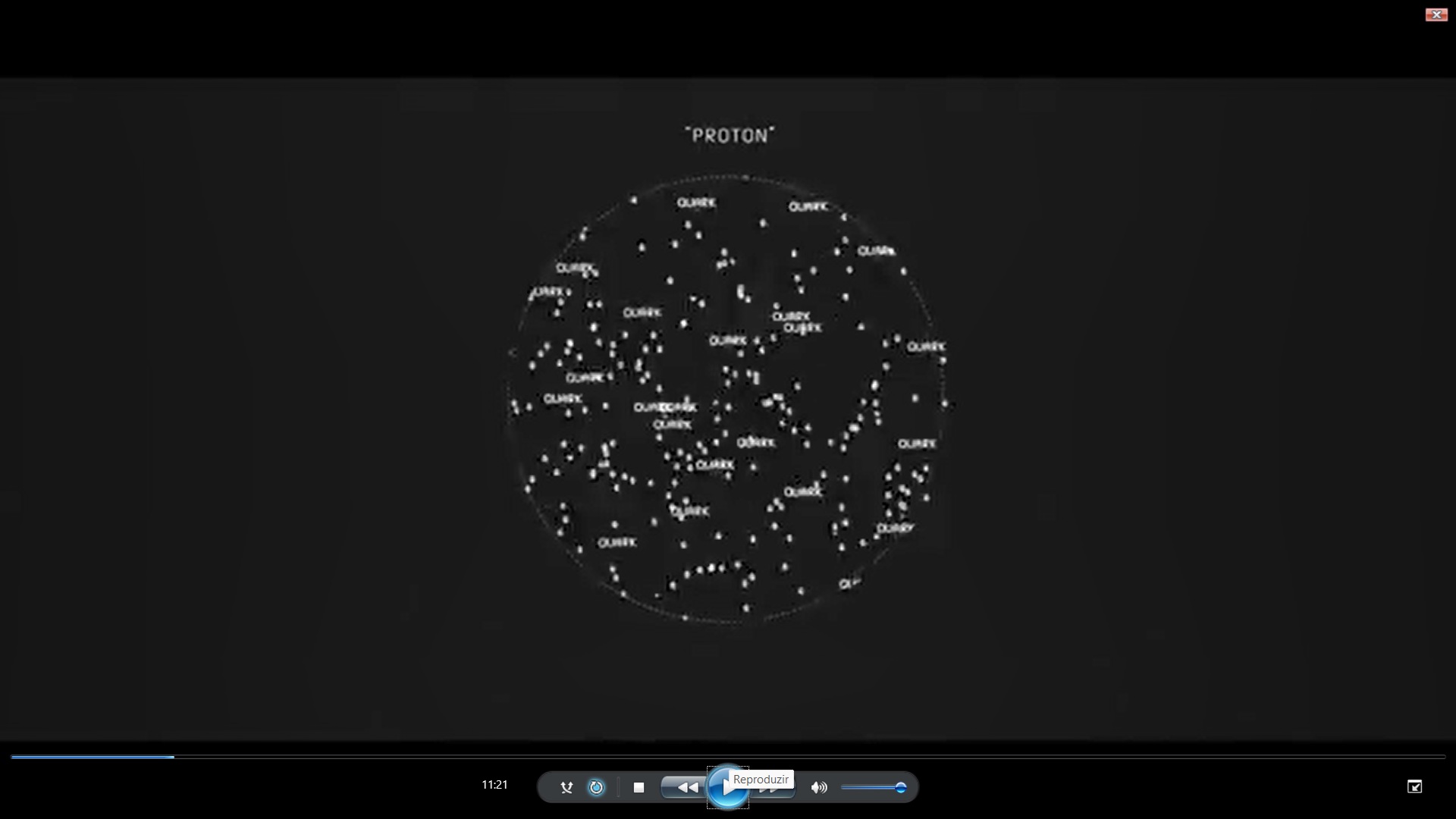
Scenes from the movie PHOTON.


*   *   *   *   *

27 setembro 2018

NEAR DEATH EXPERIENCE OF A PHISICIAN (1 of 2)

The top doctor who swears he saw a glimpse of hell: No-nonsense anaesthetist dismissed patients who said they'd had out-of-body experiences until HE went under the knife

Rajiv Parti heard people say they'd seen dead friends during cardiac arrest
Doctor said patients also claimed to have seen lights at the end of a tunnel 
He was diagnosed with prostate cancer and had a series of operations 
During one operation he saw visions of his family and former patients

By DR RAJIV PARTI - FOR THE DAILY MAIL - PUBLISHED: 23:26 BST, 18 November 2016

Near Death Experience - Experiência de Quase Morte.

By all indications, the patient on the operating table was dead. His heart had been stopped, his body drained of blood and he was no longer capable of breathing on his own.

He was, in fact, in suspended animation — through a surgical procedure that replaces the blood with a cool fluid and stops all bodily functions. Meanwhile, surgeons had just one hour to repair a tear in the main artery leading to his heart.

This is a difficult operation, not to mention dangerous. And, as the hospital’s chief anaesthetist, it was my job to make sure that the patient remained deeply unconscious throughout.

He did, and thankfully he survived.

In the recovery room later, I was there by his side as he woke up — with a smile on his face.

‘I was watching you guys in the operating room,’ he told me. ‘I was out of my body, floating around by the ceiling. I saw you just standing at the head of the table, I saw the surgeon sewing the patch on my artery, I saw that nurse...’

Everything he said was uncannily accurate. But could he really have witnessed it all?

No, of course not — how could he see anything when his heart wasn’t beating, his head was packed in ice and his brain had stopped functioning?

He wasn’t the first patient of mine to have reported strange events. Over the course of my 25-year career, I’d heard people claim to have seen deceased friends during a cardiac arrest, or lights at the end of tunnels or people made of light.

I’d always thought such stories were nonsense, so I said I’d return to talk to him later. But I never did.

By the next day, he’d been moved to another department, so he was no longer technically in my charge. And time, after all, is money. That’s how materialistic I was.

Within a few days, that patient had become just another anecdote.

In many ways, my wife, Arpana, and I had a charmed life. She ran her own dental practice and I was making a very good living not only as an anaesthetist, but also as the co-founder of a private pain clinic.

Soon we’d traded our small house for a larger one and then a mansion. Our cars went from average Fords and Toyotas to ‘supercars’, including a Porsche and a Hummer. I was even planning on buying a Ferrari: my goal was bigger everything — house, cars, art collection, bank accounts.

Naturally, I’d made sure my three children had the finest possible education. And I had my eldest son Raghav’s life all mapped out: he was going to follow in my footsteps and become a doctor.

The only problem was that he wasn’t that interested in medicine, and his grades reflected that. I had no sympathy: I shouted at him a lot, punishing him with my anger. Like my father and grandfather before me, my theory of child-raising was: ‘A bent nail must be straightened with a hammer.’

Otherwise, I felt my life was near-perfect.

Then, in 2008, at the age of 51, I found out I had prostate cancer. I was furious with God: what had I done to deserve this? Still, I booked an operation with one of the best prostate surgeons in the country and assumed that all would be well. ‘I can almost guarantee no complications,’ the surgeon told me — but something went drastically wrong, and I was left with incredibly painful scar tissue and other debilitating side-effects.

There were five more operations over the next two years to try to repair the damage, but none of them really worked.

Then one evening, just two weeks after my fifth operation, I suddenly felt faint. My temperature was 105f.

I knew instantly what was happening: despite two courses of strong antibiotics, an infection was spreading rapidly in my abdomen. And if I didn’t get help fast, I’d soon be dead from septic shock.

My wife, tears streaming down her face, managed to bundle me into her BMW and drive me to hospital, where I was quickly loaded on to a trolley.

I remember emerging from a fog to see a surgeon looming above me. He held his hands like a praying mantis, a sign that they were scrubbed for surgery and ready to be gloved.

Next time I surfaced, I was in the operating theatre. I managed to tell the anaesthetist what I did for a living and ask him what he was about to give me. Propofol and fentanyl, he said. In other words, the usual — exactly what I would have selected.

‘Are you ready?’ asked the surgeon. He waved his gloved hand at the anaesthetist, and I was asleep before I could answer.

Was it over? Was the surgery already over? I felt myself zooming straight up, as if in a lift. It was the same feeling you get in the pit of the stomach when you’re rocketing to the 20th floor of a skyscraper.

Slowly, my consciousness began to return: I could see the ceiling approaching, its glossy surface slowly getting closer.

Then I looked down and saw my own abdomen, now with several incisions. I heard the anaesthetist make an off-colour joke. I won’t repeat it, but everyone in the operating theatre laughed, including me.

But where was I? For a few moments, I froze with fright, worried that whatever was holding me up on the ceiling would suddenly let me drop. Eventually, though, I relaxed, watching in rapt amazement as the surgeons and nurses worked on my body.

‘Is that really me, or is this really me?’ I wondered. ‘How can I be in both places at once?’

Suddenly, I became aware of a shift in my perspective as my field of vision expanded. I was still in the operating theatre, but at the same time I could see my mother and sister sitting on a sofa in our family home, thousands of miles away in New Delhi — where I’d grown up.

The scene was vivid and detailed. My sister was wearing blue jeans and a red sweater and my mother a green sari and a green sweater.

‘What should we make for dinner?’ my sister asked.

‘It’s cold outside,’ said my mother. ‘We should make hot soup. Lentil sounds good.’

I was so focused on them that the sudden sound of instruments clanking in the operating theatre gave me a start. Turning my head to the left, I found I could still see and hear the scene below me.

‘This guy’s a mess. He’s lucky to be here. Give me more swabs,’ said the surgeon to a nurse.

I was now seriously frightened. What was going on? Would my untethered consciousness ever get back into my body — or was I destined to roam through eternity as a spirit?

Was I dead? I felt like an astronaut who’d left his spacesuit, only to find that a suit was unnecessary to begin with. With rising panic, I looked back and forth at the two scenes — until both started to fade like a fast-setting sun. Everything went dark. I was relieved: I’m returning to my body, I thought.

Then came a jolt of pure fear. To my right, I heard screams of pain and anguish. I was drawn in, as if on a moving pavement, to the edge of a flaming canyon. Smoke filled my nostrils, and with it the sickening odour of burning flesh. I knew then that I was on the lip of hell.

I tried to turn away, but each time I took a step back, an unseen force moved me forward. A voice spoke to me telepathically. ‘You have led a materialistic and selfish life,’ it said. I knew that was true, and felt ashamed. Over the years, I’d lost empathy for my patients.

Standing on the rim of hell, I remembered a woman who’d come to my clinic for treatment of chronic arthritis. She was in considerable pain, but that wasn’t the reason why she was weeping.

‘I need to talk to you, doctor,’ she said to me. ‘My husband’s dying of lung cancer, and I don’t know what to do.’

‘I’d love to talk to you,’ I said, writing out a prescription for pain-killers and sleeping pills. ‘But I have several patients waiting.’

I was like a robot. I’d trained myself to blunt my emotions. Worse, I had trained myself to think only of myself.

As the smoke billowed and the burning souls screamed around me, I thought of my possessions and how meaningless they were. Why did I have all these things? Why did I need a home so big that, when we were in different parts of the house, we had to communicate through our iPhones?

I felt steeped in shame. But I knew my chance to change was gone: at any moment now, I’d be pulled into the pit of fire to burn for eternity. There seemed no way out, but I prayed for one anyway.

‘My God, give me another chance. Please give me another chance.’

Almost at that instant, I did get my second chance — in the form of the last person I ever expected to see. It was my father. I recognised him immediately, though he looked at least 30 years younger than when he’d died.

He took my hand in his and led me away from the edge of hell, as if I were still a little boy.

Then, putting his arm around me, my father tried to comfort me — and it was the first time I could remember him touching me affectionately.

To be honest, I almost shrank back — even at the age of 53, I was still afraid that my father was going to beat me, just as he had so many times in my childhood.

But, just then, I had a vivid flashback of the day he found out I’d bunked off school and gave me a savage beating with a cricket bat.

Suddenly, I was seeing it all from his perspective. His own dreams of bettering himself had come to nothing, so he’d beat me because he couldn’t bear to see me wasting my life.

What I’d discovered in my father’s mind wasn’t hatred, but fear. He’d been frightened that I wouldn’t take advantage of my chances and go on to university. His tyranny, I finally understood, had been born of love.

And now this. My father, my cruel and despotic father, was spiritually rescuing me from hell! I looked into his eyes, and my hard heart melted with love.

No words came from his mouth, but for the first time I learned from him that his own father had abused him, just as he’d abused me.

‘Anger,’ my father told me, ‘isn’t usually about an event. It’s passed on from father to son. If you know that, you can stop it; you can choose not to be angry. Simple love is the most important thing in the universe.’

I asked myself, would I ever return to the land of the living? If I did, I would have to focus on love; I would have to break the cycle of anger in my family.

The scenery was changing: I noticed now that we’d walked straight into a tunnel. Incredibly, it was soon teeming with people I knew were my ancestors, reaching out hands of welcome.

I recognised my grandfather, who gave me a look of sheer joy. ‘Love is the most important thing there is,’ he told me. Then both he and my father simply faded away.

I was now halfway through the tunnel. And that’s when I had a life review — in which I re-experienced in detail all the good things that had ever happened in my childhood — from being given sweets by my sisters to the warm feeling of being swathed in my mother’s love.

Again, a telepathic message came from nowhere: ‘The simple moments are the most important. All moments are memory and lessons. They all build the person you are.’

I was nearing the end of the tunnel now, where a light shone more brightly than a thousand suns. I could feel it pulling me weightlessly towards it, but I felt no fear.

Before I could reach the light, however, two angelic forms emerged into the tunnel. Exuding powerful energy as they hovered above me, they introduced themselves as my guardians — the archangels Michael and Raphael.

Now, I’m a Hindu. So it was only later that I learned that St Raphael is the angel of healers, and St Michael is the protector of people and the angel who opens doors.

Both archangels had a human shape, yet they shimmered with light and had a thick translucence. Michael had a blue hue and long hair; Raphael was greenish and wore a cap.

In a moment, I was lifted by them and guided towards the blazing light before us. As we approached, I found myself high above a green meadow, peppered with rose bushes. Just the sweet smell of the grass and roses made me almost delirious with pleasure.

We travelled on to a higher plane and then a higher one still, until I was surrounded by a landscape of clear light. Raphael explained that at the highest level, you are surrounded by a powerful energy that consists of pure love and intelligence — the underlying fabric of everything in the universe.

Enlightenment comes, added Michael, when a person realises that love is everywhere and is the only thing that matters. Yet most people don’t realise this until they leave the earth.

With that, they took me by the arms and we moved rapidly upwards towards a being of light, a silver-blue form that showed no sign of being male or female.

When it engulfed me with its blue light, I felt as if I were being wrapped in a blanket of pure love. ‘I am one with the universe,’ I thought.

The being started communicating telepathically. ‘You need to look at your life one more time,’ it said. ‘It’s important to reflect on changes that you need to make.’

It went on to tell me that I was destined to become a healer of souls — helping people with problems such as addiction, depression and chronic pain.

I would no longer be an anaesthetist; instead I’d become a practitioner of spiritual medicine, of ‘consciousness-based healing’.

I don’t know how long I stayed with the being. But my exit, when it happened, was sudden and rapid as I fell into a white fog. For the first time, my eyes began to hurt, so I closed them.

And when I opened them... I was in the recovery room. My heart was beating hard and my lungs pumping double time.

‘How do you feel?’ It was the anaesthetist, still in his scrubs. ‘That was a rough one,’ he said, referring to my surgery.

I must have looked stunned, because when I didn’t respond, the anaesthetist leaned closer. ‘Are you all right?’ he asked.

‘I saw you during my surgery,’ I said. ‘I left my body and watched you from the ceiling.’
‘Interesting,’ he said, his voice a study in disinterest.

‘No, really. I watched as you administered the anaesthetic and even heard you tell a joke.’ I repeated his risque joke, word for word, and he blushed.

‘I must not have given you enough anaesthesia,’ he said, looking hard at my file in order to avoid meeting my gaze.

I wasn’t about to be fobbed off. As one professional to another, I was determined to tell him exactly what I’d seen. So I described going to India, where I’d seen my mother and sister, and travelling to the edge of hell. I’d just started on the next part when he glanced at his watch and flipped the file shut.

‘Very interesting,’ he said. ‘I’ll come back later to hear about it.’

I never saw him again.

When the surgeon came in to check on me, I started recounting my out-of-body experience all over again, and this time got all the way to the tunnel entrance.

At that point, he reached for his phone — which wasn’t ringing. Then he excused himself by saying he had an ‘important call’.

POSTSCRIPT

After recovering, Dr Parti resigned from his job as chief anaesthetist at Bakersfield Heart Hospital in California — much to the bewilderment of his colleagues — got rid of all his expensive cars and sold his mansion, moving into a house half the size.

His wife supported all his decisions, keeping the family afloat while he established a new practice to heal people though meditation and other alternative methods.

Realising he’d placed his ego above his eldest boy’s happiness, Dr Parti encouraged his son — then in his third year at medical school — to find a career he preferred.

His son is now happily training to be a computer programmer and enjoys a close relationship with the father he once feared.

Adapted from "Dying To Wake Up" by Dr Rajiv Parti.


*   *   *   *   *

27 dezembro 2017

HÉRNIAS DE DISCO (Relato do meu caso)

TRÊS HÉRNIAS DE DISCO - L5-S1

Segundo dados do IBGE (Instituto Brasileiro de Geografia e Estatística), cerca de 5,4 milhões de brasileiros sofrem de hérnia de disco. A doença se divide em quatro fases, de acordo com o seu grau de degeneração e comprometimento das raízes nervosas. Pode ocorrer em todos os discos vertebrais, acometendo mais a região lombar, seguida da região cervical (3:1). Atenta-se ao fato de que ela pode estar ou não associada a outras patologias da coluna. As fases de seu desenvolvimento são:


  • Disco intacto: O disco intervertebral tem como função principal a absorção de impacto, bem como permitir movimentos em diferentes eixos de rotação. Ele é formado por um núcleo pulposo (centro gelatinoso) e pelo ânulo fibroso (periferia rígida) que circundam o núcleo. Essas características anatômicas dão ao disco intervertebral a capacidade de absorção de carga e movimentação em diferentes eixos de rotação;
  • Abaulamento discal: Etapa inicial da patologia. O disco intervertebral começa a apresentar sintomas de envelhecimento e suas fibras (anel fibroso) apresentam fissuras que levam a uma forma de arco o disco intervertebral. Podemos utilizar uma câmara de pneu velha como exemplo, que perde a capacidade de manter sua forma natural e formam-se bolhas;
  • Protusão discal: Nessa etapa, o abaulamento do disco encontra-se mais proeminente, podendo atingir nervos, medula e saco dural. A doença está em uma fase mais avançada, normalmente acompanhada de inicio de degeneração discal, podendo gerar dor discogênica;
  • Hérnia extrusa: A hérnia de disco consiste em uma extrusão do disco vertebral, normalmente contendo o núcleo pulposo do disco intervertebral envolvido pelo anel fibroso já em estágio avançado de degeneração. As estruturas nervosas estão comprometidas pelo estreitamento dos canais por onde passam os nervos (estenose), medula ou saco dural (canal medular);
  • Sequestro ou Fragmento: Essa é a etapa mais rara da patologia, e consiste na ruptura total da parte herniada do disco intervertebral. O fragmento pode comprometer as estruturas nervosas, dependendo de sua localização.


MEU CASO DE 3 HÉRNIAS DE DISCO L5-S1


Vídeo de algumas etapas da minha primeira cirurgia - Microdiscectomia Lombar Minimamente Invasiva - executada em 12 de novembro de 2017 para a remoção de 2 hérnias de disco existentes no disco L5-S1. Onde pode-se notar as remoções, na seguinte ordem:
  • Vídeo 07 min. 15 seg. - da 2ª hérnia de disco de 4 cm que pressionava a cauda equina pelo lado direito surgida em Gana no dia 07 de novembro de 2017;
  • Vídeo 09 min. 18 seg. - subsequentemente da 1ª hérnia de disco de 1 cm de extensão, mais antiga, que pressionava o nervo ciático do lado direito.
A situação denotava a necessidade de cirurgia urgente. Fui transportado de avião urgentemente de Gana para o Brasil, para passar pelo procedimento cirúrgico no Hospital Albert Einstein, em São Paulo, no Morumbi.


Descrição do momento da remoção da 2ª grande hérnia de disco L5-S1, de 4 cm de extensão. Pode ser vista no vídeo acima. Detalhe da mesma hérnia na ressonância magnética.


Essa foi a maior das hérnias, com mais de 4 cm de extensão, removida nesse primeiro procedimento cirúrgico de Microdiscectomia Lombar Minimamente Invasiva.


Ressonância magnética de 25 de setembro de 2017, na cidade de Acra, em Gana, África; logo após a ocorrência da 1ª hérnia de disco L5-S1, de 1 cm de extensão, que pressionou o nervo ciático pelo lado direito.


Ressonância magnética de 08 de novembro de 2017, na cidade de Acra, em Gana, África; logo após a ocorrência dessa 2ª grande hérnia de disco, L5-S1, de 4 cm de extensão, que pressionou a cauda equina pelo lado direito.


Laudo da ressonância magnética de 08 de novembro de 2017, feito em Acra, Gana, África. Antes da viagem de urgência e cirurgia feita no Brasil em 12 de novembro de 2017.


Tabela com a cronologia dos acontecimentos referentes ao meu problema com o Disco L5-S1, as 3 hérnias e as 2 cirurgias.


PROCEDIMENTO CIRÚRGICO - MICRODISCECTOMIA LOMBAR MINIMAMENTE INVASIVA

A discectomia lombar é uma cirurgia que envolve a remoção de todo ou parte de um disco intervertebral danificado ou doente para aliviar a pressão sobre o nervo espinhal na coluna lombar, que é a parte inferior das costas. Em alguns pacientes, este procedimento pode ser realizado através de técnicas cirúrgicas minimamente invasivas.


O que é uma discectomia lombar minimamente invasiva?

A discectomia lombar é um procedimento cirúrgico que alivia a pressão exercida sobre as raízes nervosas e/ou a medula espinhal por um disco ou por protuberâncias ósseas na região lombar – uma condição conhecida como compressão da raiz nervosa.

O termo lombar diz respeito a cinco vértebras da parte inferior das costas. Os discos têm consistência esponjosa, funcionando como verdadeiras “almofadas de cartilagem” entre as vértebras. Numa discectomia lombar, o cirurgião acessa a coluna lombar através de uma incisão nas costas na altura dos níveis vertebrais a serem tratados e remove todo ou parte do disco ou material ósseo que está pressionando os nervos e causando dor. Assim, por eliminar a compressão da raiz nervosa/nervo, a discectomia lombar é considerada um procedimento descompressivo da medula.

Em alguns casos, o cirurgião pode optar por realizar esse procedimento usando uma abordagem minimamente invasiva.

A cirurgia da coluna tradicional, aberta, envolve o corte ou dissecção dos músculos da coluna vertebral. Já a cirurgia minimamente invasiva requer uma pequena incisão ou incisões e dilatação do músculo, permitindo que o cirurgião separe os músculos ao redor da coluna vertebral, ao invés de cortá-los.


Por que eu preciso deste procedimento?

A discectomia lombar minimamente invasiva pode ser recomendada para aliviar a pressão exercida sobre a medula espinhal ou sobre suas raízes nervosas. Em geral, a cirurgia da coluna é recomendada quando o material do disco intervertebral ou ósseo está pressionando ou pinçando esses elementos neurais e você está enfrentando:
  • Dor nas pernas que limita suas atividades diárias normais
  • Fraqueza ou dormência na(s) perna(s) ou pés
  • Função intestinal e/ou vesical prejudicada

Como é realizada uma discectomia lombar minimamente invasiva?

A operação

A operação é realizada com o paciente deitado sobre o seu estômago.


Descompressão

Depois de uma pequena incisão, os músculos da coluna são dilatados, ou levemente separados, e um espaçador tubular é inserido para criar um portal, através do qual o cirurgião pode realizar a cirurgia. Através do afastador tubular, uma porção da lâmina (o elemento vertebral ósseo que cobre a porção posterior do canal espinhal) é removida para expor a região compactada da medula espinhal ou da raiz do nervo.

A pressão é aliviada através da remoção da fonte de compressão – a totalidade ou parte de um disco herniado, com uma saliência áspera de osso chamada “esporão”, ou em alguns casos, um tumor.


Encerramento

A pequena incisão é fechada, o que normalmente deixa uma cicatriz mínima.


Quanto tempo será necessário para a minha recuperação?

Seu cirurgião terá um plano de recuperação pós-operatório específico para ajudá-lo a voltar ao seu nível de atividade normal o mais breve possível. Após uma cirurgia minimamente invasiva, você pode notar uma melhoria imediata de alguns ou de todos os seus sintomas, mas há sintomas que podem melhorar de forma mais gradual.

A duração da sua internação hospitalar dependerá de seu plano de tratamento. Normalmente os pacientes passam por um curto período de internação no hospital, até o final do primeiro dia após a cirurgia. Seu retorno ao trabalho vai depender de como o seu corpo reagirá, bem como do tipo de trabalho/atividade que você pretende voltar a desempenhar.

É importante que você colabore com o seu cirurgião e siga as suas instruções, para que ele determine o protocolo de recuperação mais adequado para você e para otimizar o processo de cicatrização.

Para definir se você é um candidato para uma discectomia lombar minimamente invasiva, converse com o seu médico.


Existem potenciais riscos ou complicações?

Os resultados são individuais e podem variar de paciente para paciente. Complicações como infecções, danos aos nervos, coágulos de sangue, perda de sangue e problemas de bexiga e intestino, além das complicações associadas à anestesia, são alguns dos riscos potenciais da cirurgia da coluna vertebral. Um risco inerente à fusão vertebral é a falha do enxerto ósseo vertebral em fundir adequadamente, o que pode requerer cirurgia adicional.

Por favor, consulte o seu médico para obter informações acerca das indicações, advertências, precauções, eventos adversos, resultados clínicos e outras informações médicas importantes que dizem respeito à discectomia lombar minimamente invasiva.

O material contido neste site tem caráter apenas educativo. As informações aqui encontradas não podem substituir a avaliação do seu médico assistente. Para diagnóstico e tratamento adequados, consulte um especialista no assunto.


ILUSTRAÇÕES SOBRE A COLUNA VERTEBRAL, A REGIÃO LOMBAR E PROCESSOS DE DESENVOLVIMENTO DE HÉRNIA DE DISCO


Fases do processo de desenvolvimento de hérnia de disco na região lombar.


Comparação de disco normal e caso de hérnia de disco extrusa na região lombar.


Região do nervo ciático, e região da cauda equina.


Região de dor oriunda de hérnia de disco lombar, sendo irradiada por toda a perna devido à pressão sobre o nervo ciático atingido.


Detalhes sobre vértebra da região lombar, e especificamente uma hérnia de disco L5-S1.


Mapa com a identificação de todas as vértebras existentes - regiões: lombar, torácica e cervical.


Coluna vertebral: carta de reflexologia.


Estrutura da coluna: 7 vértebras cervicais, 12 vértebras torácicas, 5 vértebras lombares, sacro e cóccix.


VÍDEOS / VIDEOS


Introduction to the Central Nervous System - UBC Neuroanatomy Season 1 - Ep 1 - UBC Medicine - Educational Media.


Introduction to the Spinal Cord - UBC Neuroanatomy - Season 1 - Ep 2 - UBC Medicine - Educational Media.


*   *   *   *   *